Homeowners Insurance Is Changing Fast in Louisville, KY: What You Need to Know About Wind & Hail Roof Claims
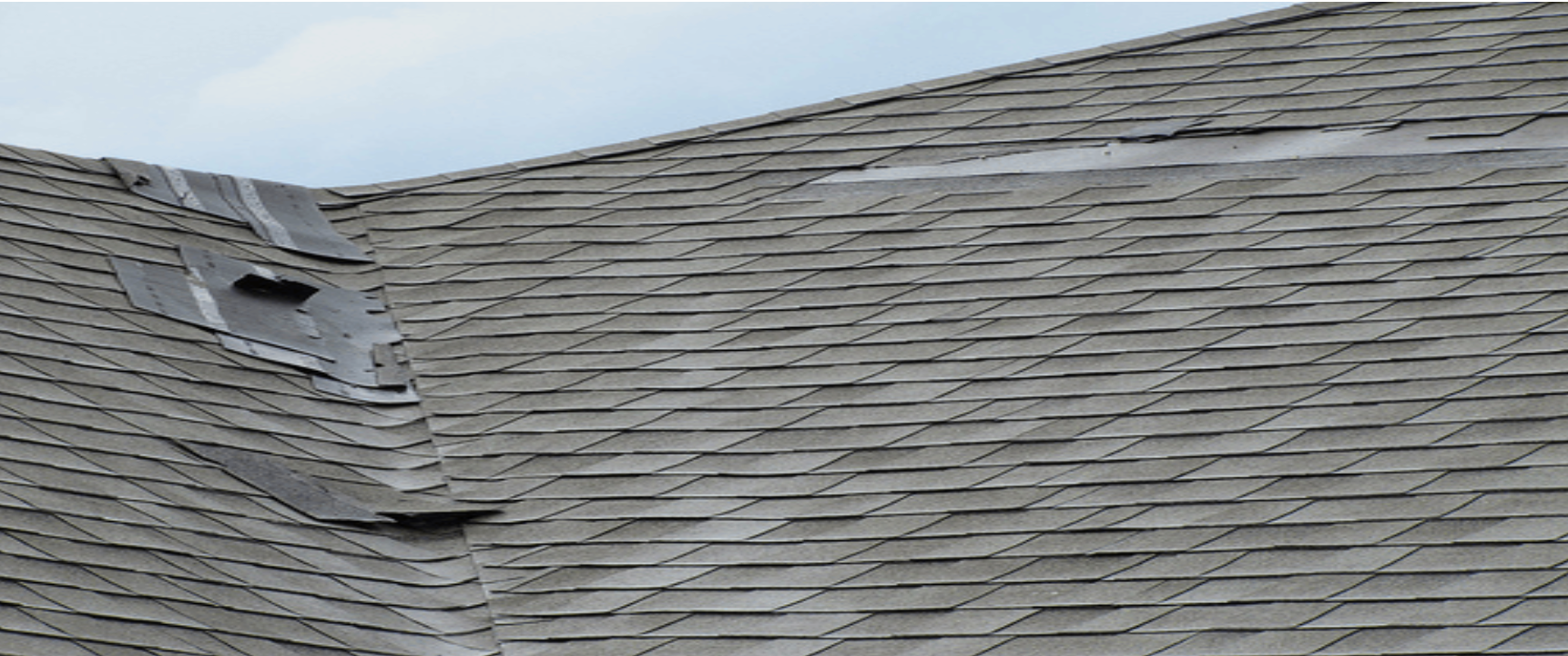
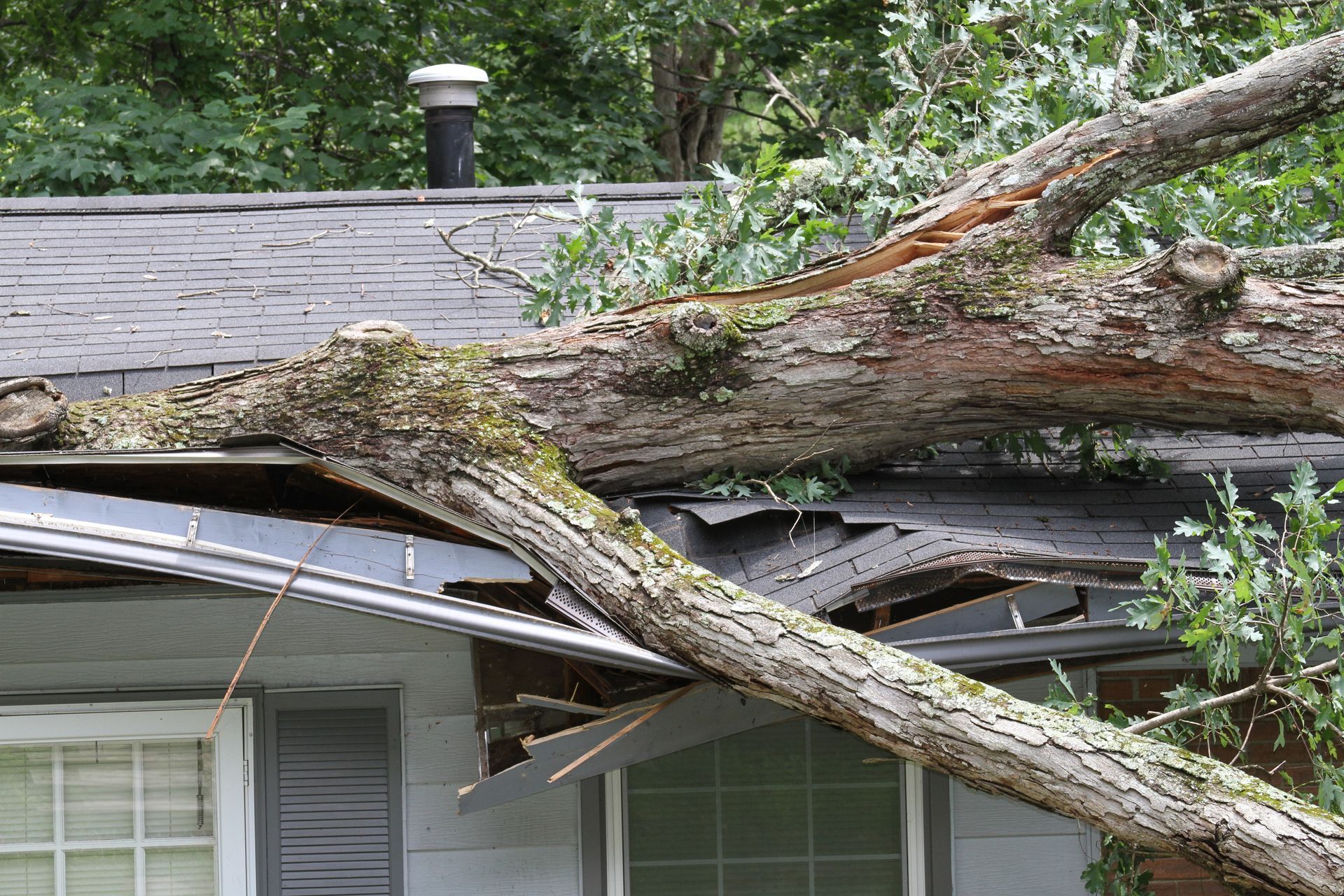
Wind and hail storms are becoming more frequent in Kentucky—and insurance coverage for roof damage is changing faster than most homeowners realize.
If you haven’t read your homeowners insurance policy recently, you’re probably assuming it still works the way it always has:
a storm hits, your roof is damaged, you pay your deductible, and insurance pays to replace it.
For many homeowners across Louisville and the surrounding areas, that assumption is now flat-out wrong.
Insurance carriers have been quietly changing roof coverage—especially for wind and hail damage, two of the most common causes of roof claims in Kentucky. These changes are catching homeowners off guard after a storm, when it’s already too late to fix the policy.
Here’s what’s changed, what it actually means for you, and how to avoid getting burned.
Wind & Hail Deductibles Are Often Higher Than You Think
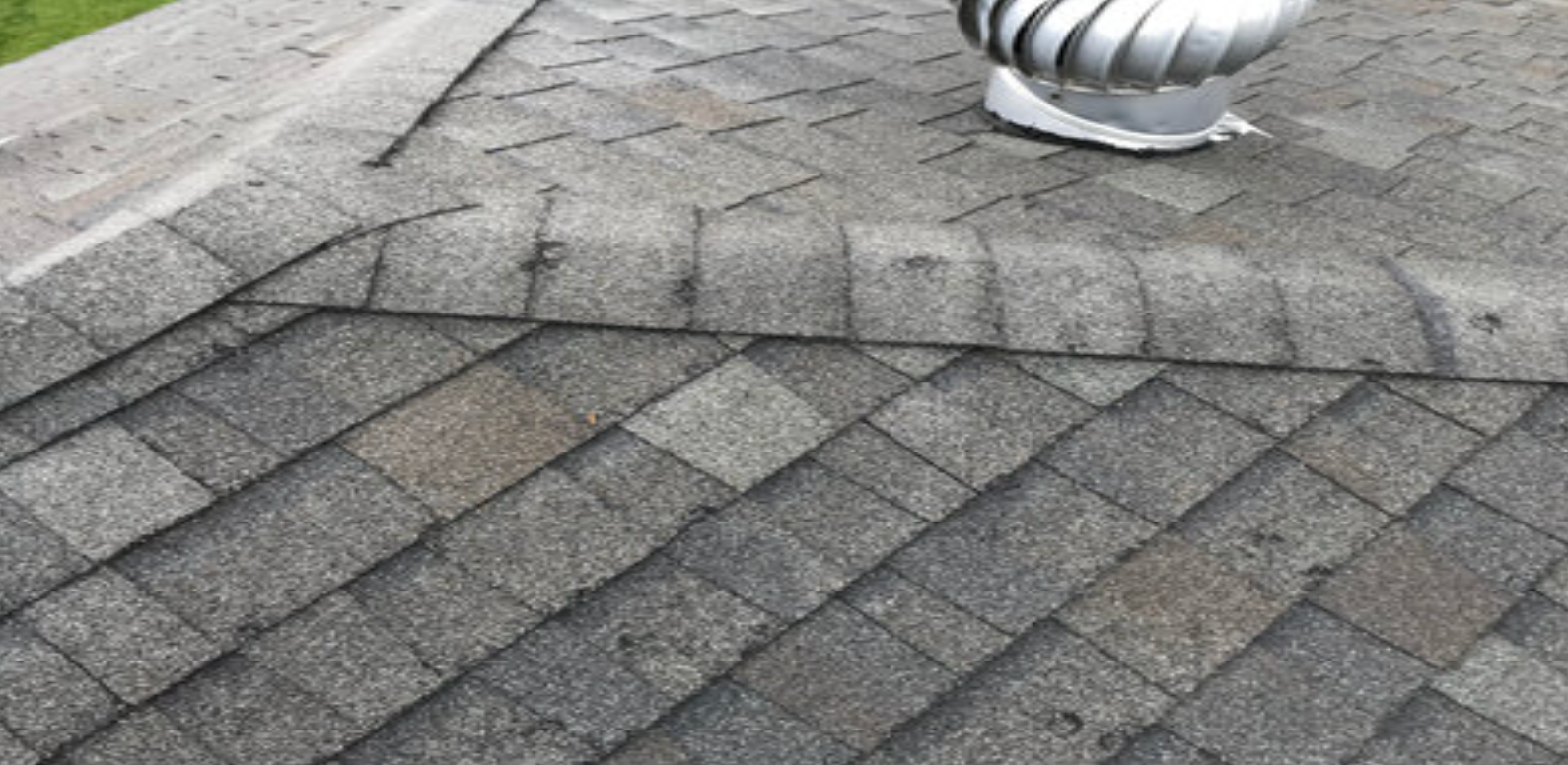
Even legitimate hail damage may not exceed today’s higher wind and hail deductibles.
Many homeowners still believe they have “a $1,000 deductible.” That may be true for fire or theft—but wind and hail losses are often treated differently.
More and more insurance policies now include a separate wind and hail deductible, and it’s commonly written as a percentage of your home’s insured value, not a flat dollar amount.
What that looks like in real numbers:
- If your home is insured for $300,000
- And you have a 2% wind/hail deductible
- Your out-of-pocket cost is $6,000 before insurance pays anything
If the cost to repair or replace your roof doesn’t exceed that deductible, the claim may result in no insurance payout at all, even when storm damage is real and visible.
What to check now:
- Review your Declarations Page
- Look specifically for “Wind/Hail Deductible”
- Confirm whether it’s a percentage or flat dollar amount
More Roof Claims Are Being Paid at ACV Instead of Full Replacement Cost
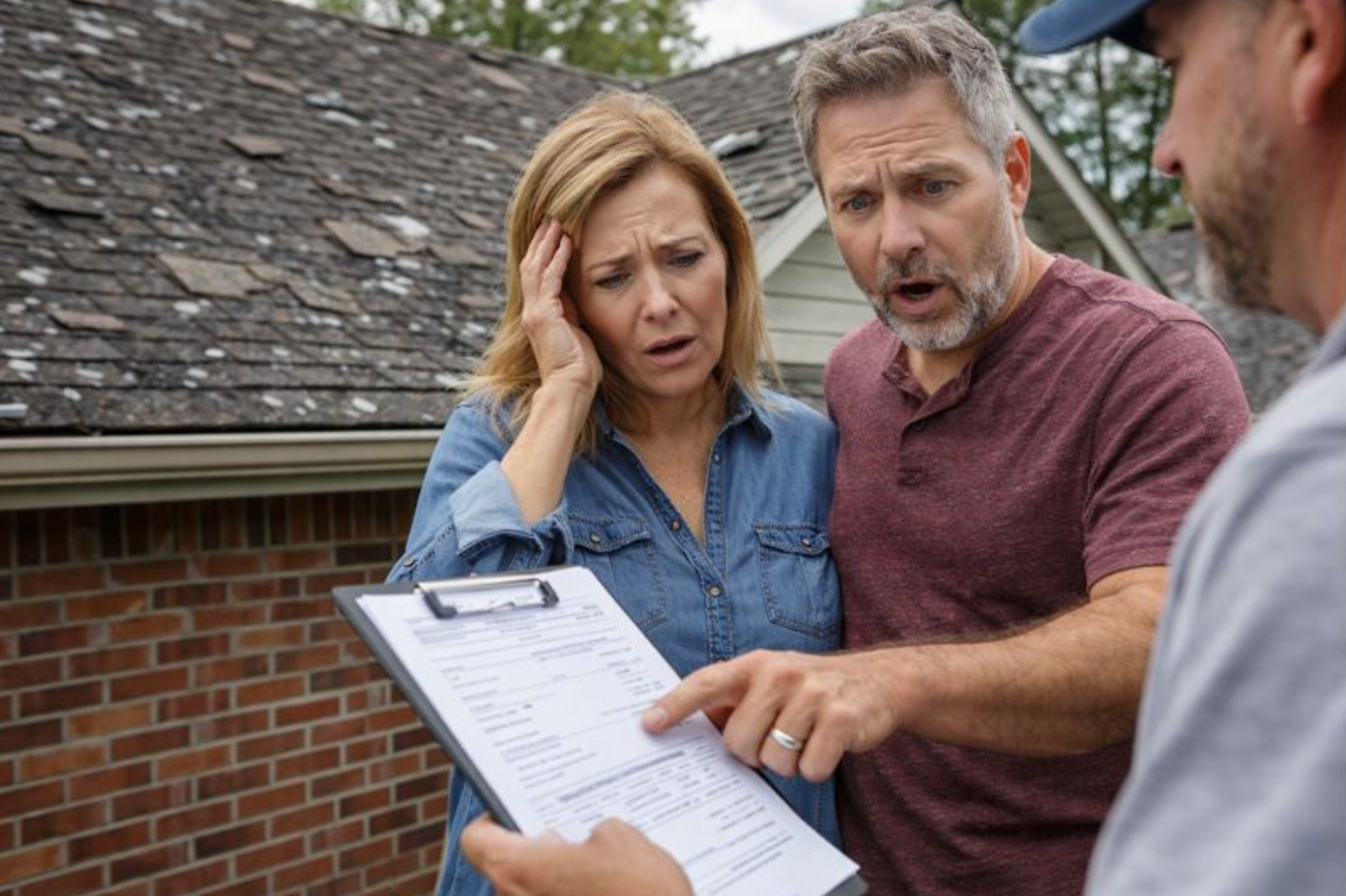
Actual Cash Value (ACV) settlements reduce payouts based on roof age—often leaving homeowners with large unexpected costs.
This is one of the biggest changes homeowners don’t see coming.
Replacement Cost vs Actual Cash Value (ACV)
- Replacement Cost (RCV): Insurance pays what it costs to replace the roof (minus your deductible)
- Actual Cash Value (ACV): Insurance pays replacement cost minus depreciation
The older your roof is, the more depreciation is applied—and the less the insurance company pays.
Many carriers now:
- Automatically settle roofs at ACV after a certain age
- Add ACV endorsements specifically for roof surfaces
- Apply depreciation schedules to wind and hail claims
That means homeowners are often responsible for:
- The wind/hail deductible plus
- Thousands of dollars in depreciation
This is why many Louisville homeowners say,
“Insurance approved my claim—but it didn’t come close to covering the roof.”
Roof Payment Schedules: Depreciation on Autopilot
Some policies include roof payment schedules, which limit how much insurance will pay based on roof age—even if the policy isn’t fully ACV.
Typical concept (varies by carrier):
- Newer roofs = higher payout percentage
- 10–15-year-old roofs = reduced payout
- Older roofs = minimal insurance contribution
Two homes on the same street can experience the same storm and receive very different claim outcomes—purely because of policy language.
Why Insurance Companies Are Doing This (The Honest Answer)
Carriers are tightening roof coverage because wind and hail losses have skyrocketed across Kentucky and the Ohio Valley.
Rather than raising premiums even more, insurers are shifting costs back to homeowners through:
- Higher deductibles
- ACV roof settlements
- Roof-specific limitations
Understanding these changes before a storm puts you in a much stronger position when it’s time to file a claim.
What Louisville Homeowners Should Do Right Now
Review These Items on Your Policy:
- Coverage A (Dwelling limit)
- Wind/Hail deductible
- Whether roof claims are Replacement Cost or ACV
- Any roof payment schedule or endorsement
- Roof age on file with the carrier
Ask Your Agent These Questions:
- “Is my roof paid at Replacement Cost or Actual Cash Value?”
- “Do I have a separate wind or hail deductible?”
- “Is there a roof depreciation or payment schedule on my policy?”
- “Are cosmetic hail damages excluded?”
If your agent can’t clearly explain the answers, that’s a problem.
What to Expect During a Wind or Hail Roof Claim Today

Proper documentation and inspections are critical under today’s stricter insurance policies.
Most claims now follow this path:
- Storm damage inspection
- Wind/hail deductible applied first
- Depreciation deducted if ACV applies
- Homeowner left with a larger out-of-pocket cost than expected
This is where many claims fall apart—unless the homeowner has experienced help navigating the process.
How Integrity Roofing & Construction Helps Louisville Homeowners

Integrity Roofing & Construction helps homeowners understand coverage, document damage, and avoid costly insurance mistakes.
At Integrity Roofing & Construction, we don’t just install roofs—we help homeowners navigate today’s complex insurance claim process.
- Insurance experts on staff
- Help interpreting confusing policy language
- Assistance with inspections, documentation, and claim support
- Honest explanations of what’s covered, what isn’t, and what to expect financially
If you’ve experienced wind or hail damage—or want to understand your coverage before the next storm—we’re here to help.
👉
Schedule a roof inspection or insurance consultation today:
Bottom Line
Homeowners insurance is not what it used to be—especially for wind and hail roof claims in the Louisville market.
If you don’t understand your deductible, roof settlement type, and depreciation rules, you’re gambling every storm season.
Integrity Roofing & Construction helps homeowners protect their homes and their finances by making a complicated insurance process clear and manageable.