Sagging Gutters? How Recent Louisville Snow & Ice May Have Damaged Your Home
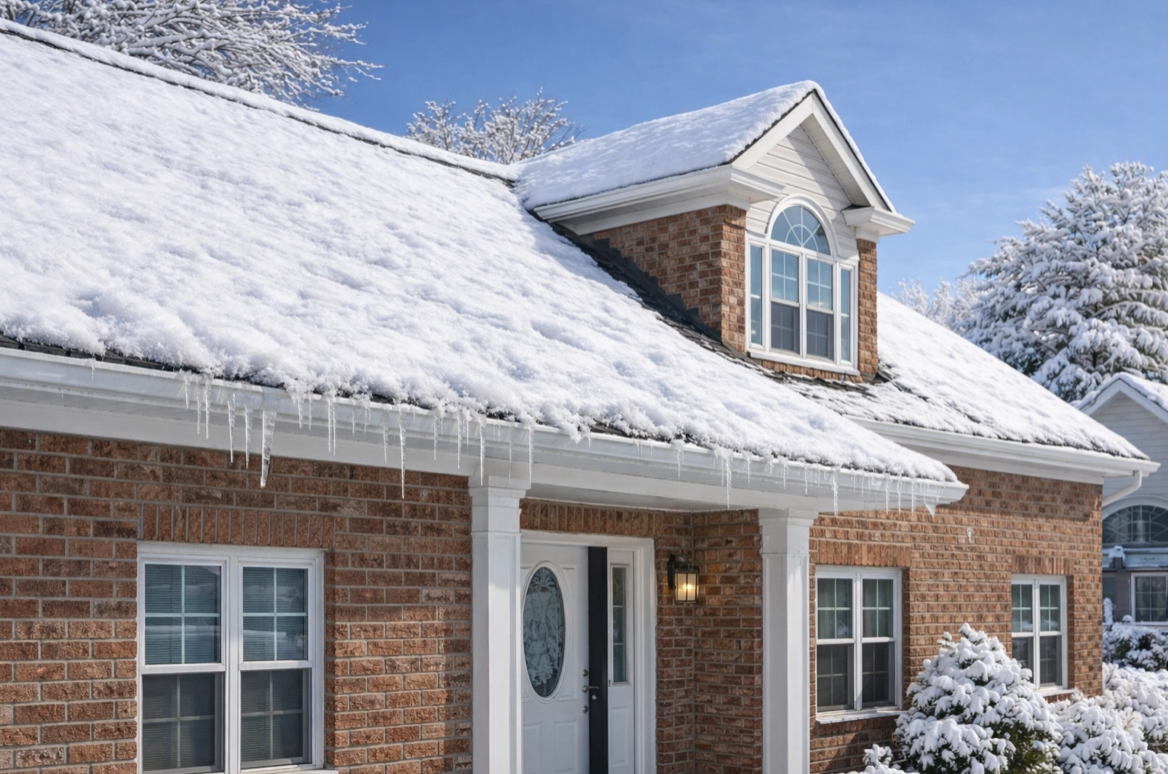
If you've been dealing with the heavy snow and ice we've had in Louisville over the past couple of weeks, you're probably tired of shoveling, scraping, and worrying about slippery walkways. But here's something you might not have thought about yet: all that frozen white stuff sitting on your roof has been putting serious stress on your gutters.
We've already started getting calls from homeowners who've noticed their gutters sagging, pulling away from the house, or even completely detached in sections. And honestly? It's not surprising. The recent winter weather has been particularly brutal on gutter systems across the Louisville area.
Here's what you need to know about winter gutter damage, how to spot it, and what to do about it before small problems turn into expensive repairs.
Why This Winter Has Been Especially Tough on Your Gutters
Let's talk numbers for a second. Just one inch of ice adds about 5.2 pounds per square foot. That might not sound like much, but when you've got several feet of snow sitting on your roof, plus the ice that forms when it starts melting and refreezing, your gutters are supporting way more weight than they were designed to handle.
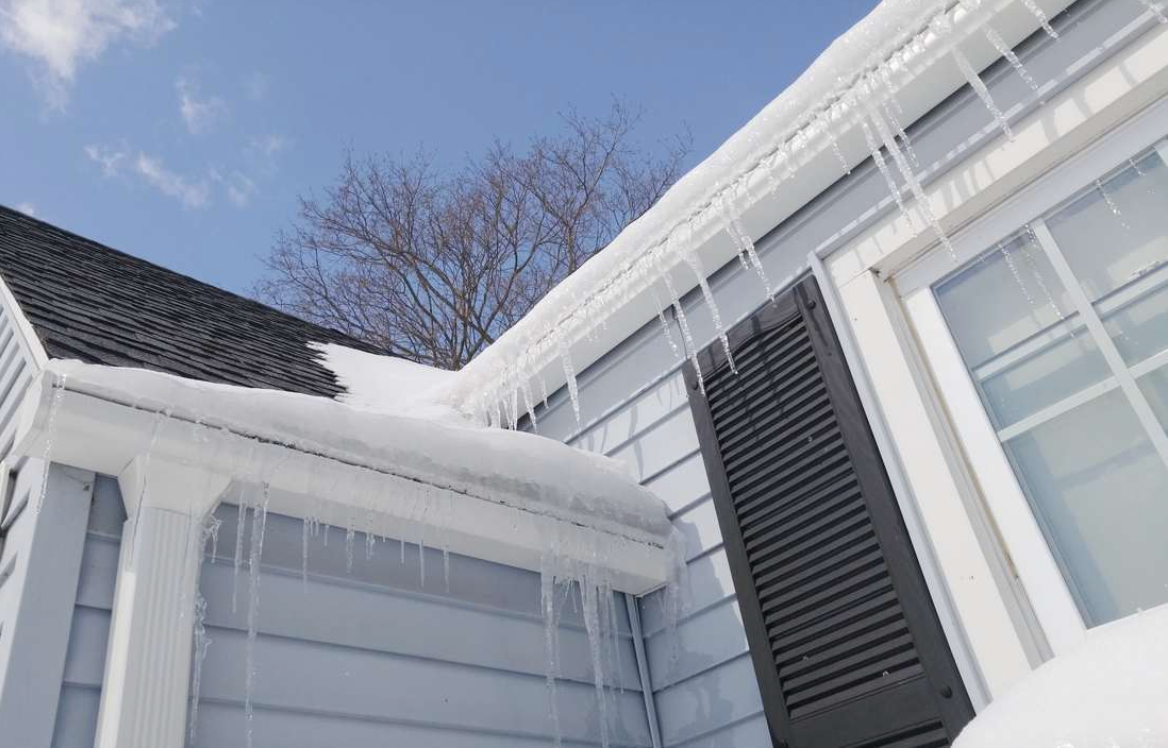
Your gutter system is meant to channel water away from your home during rain. It's not engineered to act as a structural support beam for hundreds of pounds of ice and snow. When that extra weight sits there day after day, something's got to give.
How Snow and Ice Actually Damage Your Gutters
The damage happens in a few different ways:
Bending and Sagging
The sheer weight of ice pulls down on your gutters, causing them to bend or bow. Even if they don't completely detach, this sagging prevents proper drainage, which means more standing water, which freezes again, which adds more weight. It's a vicious cycle.
Pulling Away from the Fascia
Your gutters are attached to the fascia board (that wooden board running along your roofline) with hangers or spikes. Heavy ice can literally yank these fasteners loose, creating gaps between the gutter and your home. Once that happens, water can run down behind the gutter and damage the fascia and soffit.
Cracked Seams and Joints
The freeze-thaw cycle is brutal on gutter seams. Water gets into tiny cracks, freezes, expands, and makes those cracks bigger. By the time spring rolls around, you might have gutters that leak at every joint.
Damaged Downspouts
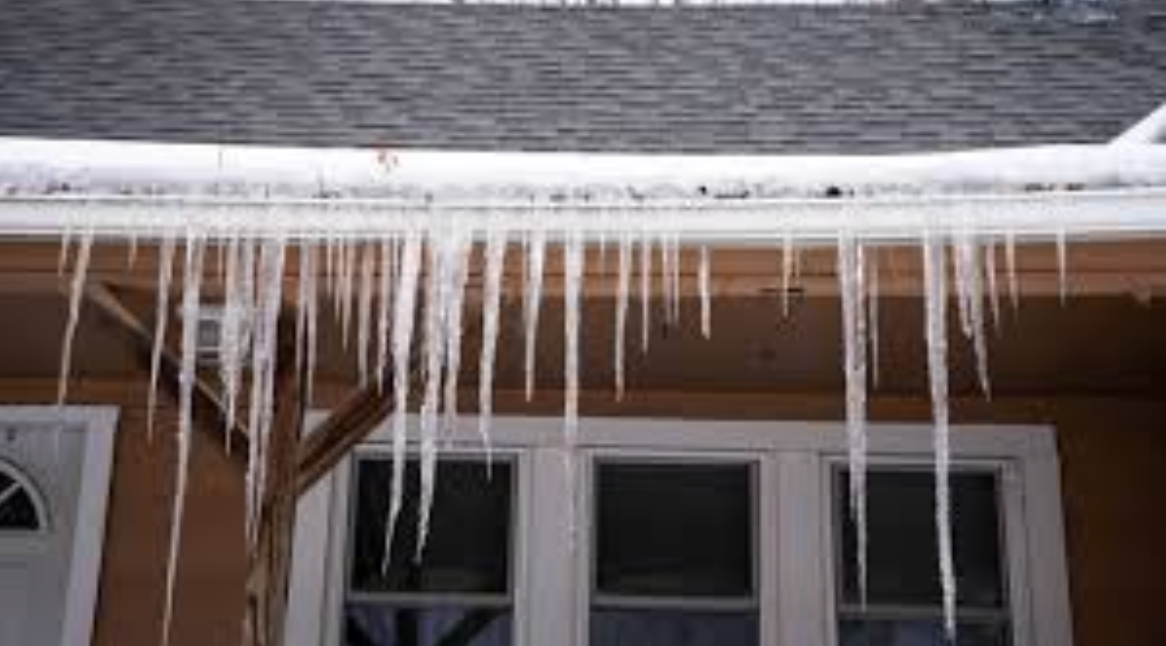
Ice doesn't just accumulate in your gutters, it can completely clog your downspouts. When water can't drain, it has nowhere to go except over the sides or back up under your shingles.
Warning Signs Your Gutters Have Been Damaged
Now that things are starting to thaw out, it's time to do a visual inspection. Here's what to look for from the ground (please don't climb up on an icy ladder):
Exterior Signs:
- Gutters that are visibly sagging or bowing in the middle
- Gutters pulling away from the fascia with noticeable gaps
- Sections that are completely detached
- Visible cracks or separated seams
- Downspouts that are bent or disconnected
- Standing water or ice in gutters that should be draining
Interior Warning Signs:
Don't forget to check inside your home, too. Water damage from compromised gutters often shows up indoors first:
- Water stains on ceilings or walls, especially near exterior walls (look for yellow, brown, or gray rings)
- Bubbling, peeling, or cracking paint on interior walls
- Soft spots or sagging sections in your ceiling
- Damp insulation or wet spots in your attic
- Musty odors that suggest hidden moisture
These interior signs are serious. They mean water is already getting into places it shouldn't be, and the clock is ticking on potential mold growth and structural damage.
"But My Roof Is Brand New!"
Here's something important to understand: winter gutter damage can happen to any home, regardless of how old your roof is.
We get this all the time. Homeowners with brand-new roofs call us surprised that they're having gutter issues. But the age of your roof doesn't protect your gutters from physics. Ice is heavy. Snow is heavy. And when you pile both on top of a gutter system, the weight doesn't care if your shingles were installed last month or ten years ago.
In fact, sometimes newer construction can be more vulnerable if gutters weren't properly sized for your roof's square footage or if the hangers were spaced too far apart. Quality installation matters, but even the best gutter system can struggle under extreme winter conditions.
The Hidden Danger: Ice Dams
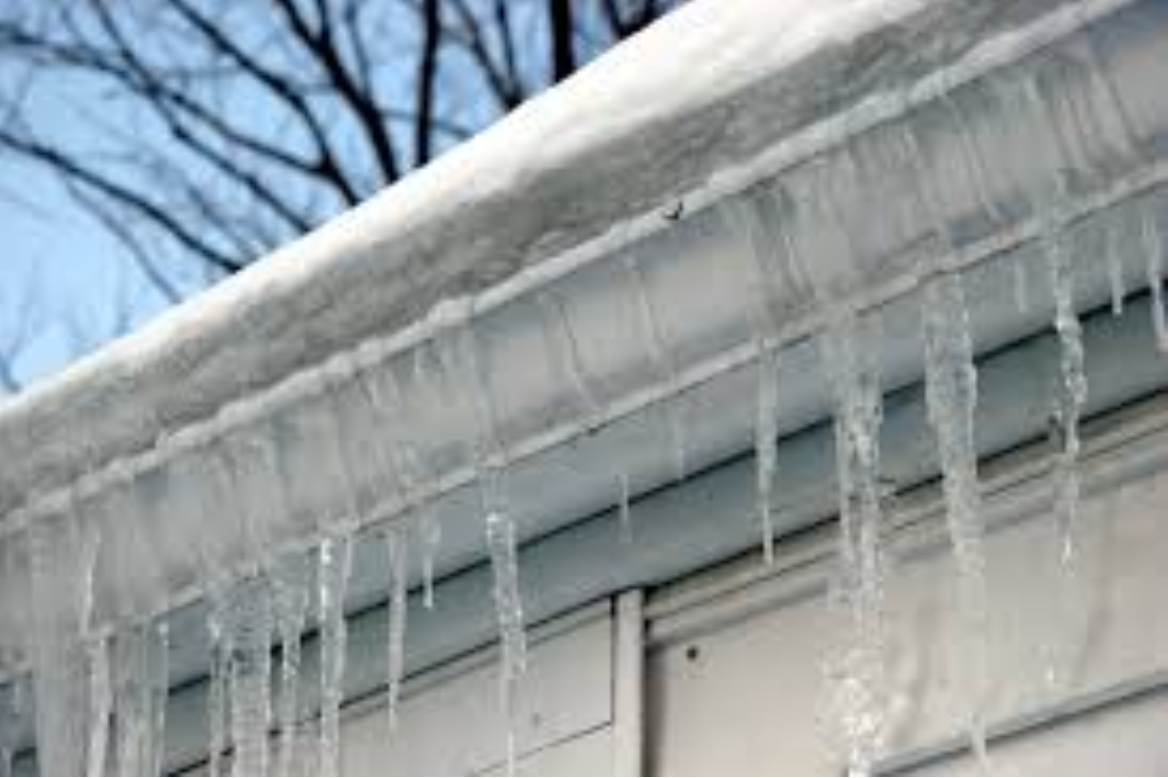
Here's where gutter problems get really expensive if you don't address them. When snow on your roof melts (from heat escaping your attic) and then refreezes at the cold edge of your roofline, it creates what's called an ice dam.
These ice dams form a literal wall that prevents melting snow from draining properly. Instead, that water backs up under your shingles and behind your gutters. From there, it can seep into your attic, your walls, your insulation: anywhere it can find a way in.
If you've got clogged gutters full of leaves and debris, ice dams get even worse because there's nowhere for water to go. The combination of clogged gutters and ice dams is a recipe for serious water damage.
You can learn more about
how ice dams damage Louisville homes here.
What You Should Do Right Now
Don't Wait for Spring
The biggest mistake we see is homeowners who notice damage but figure they'll deal with it when the weather gets warmer. The problem is, we're going to have more freeze-thaw cycles before spring really arrives. Every time the temperature swings, that damage gets worse.
Plus, if water is already getting into your walls or attic, every day counts. Mold can start growing within 24-48 hours in the right conditions.
Schedule a Professional Inspection
If you've noticed any of the warning signs we mentioned: sagging gutters, interior water stains, or visible damage: it's time to call in the professionals. At Integrity Roofing & Construction, we offer thorough gutter and roof inspections that will identify exactly what's been damaged and what needs to be repaired or replaced.
With over 25 years of experience in the Louisville area, we've seen just about every kind of winter damage you can imagine. We know what to look for, and we can spot problems that most homeowners would miss.
Document Everything for Insurance
If the damage is significant, you might need to file an insurance claim. Take photos of any visible damage, both inside and outside your home. Keep records of any emergency repairs you need to make. A professional inspection report from a licensed contractor can be crucial documentation for your claim.
Protecting Your Gutters From Future Winter Damage
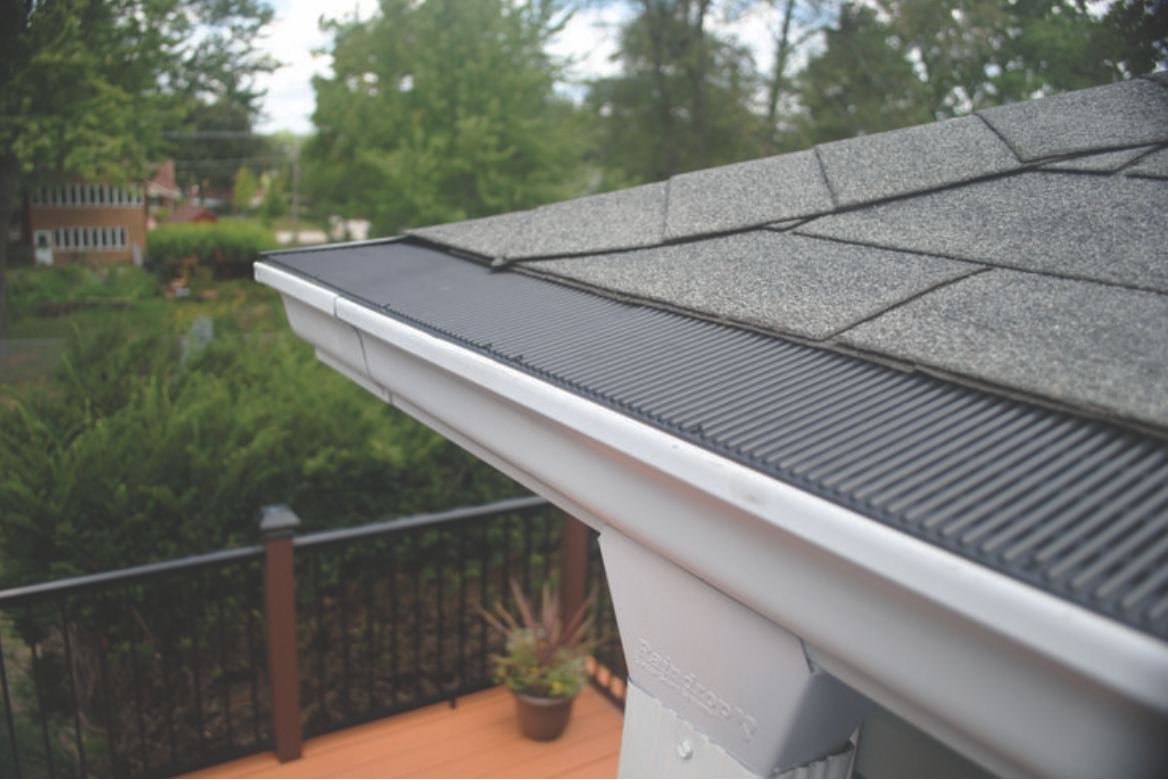
Once we've repaired or replaced your damaged gutters, you'll probably want to avoid going through this again next winter. That's where Raindrop Gutter Guards come in.
Here's the thing about gutter guards: they're not just about keeping leaves out (though they do that too). By preventing debris buildup in your gutters, they ensure water can flow freely even during freeze-thaw cycles. Less standing water means less ice formation, which means less weight on your gutter system.
Raindrop Gutter Guards are especially effective because they're designed to handle our Kentucky weather: the heavy rains in spring, the leaf accumulation in fall, and yes, the snow and ice in winter. They're a smart long-term investment that can save you from dealing with this kind of damage year after year.
Why Choose Integrity Roofing & Construction
When it comes to gutter installation and repairs in Louisville, we've been the trusted choice for over 25 years. We're not a fly-by-night operation that shows up after a storm and disappears a week later. We're your neighbors, and we're here for the long haul.
We back our work with an industry-leading warranty because we believe in doing the job right the first time. Whether you need a few sections of gutter repaired or a complete replacement with Raindrop Gutter Guards, we'll give you honest, straightforward advice about what your home actually needs: not what makes us the most money.
Take Action Before the Next Storm
Louisville winters are unpredictable. We could be done with snow for the season, or we could get another heavy storm next week. Either way, damaged gutters aren't going to fix themselves, and they're only going to get worse with time.
If you've noticed sagging gutters, water stains, or any other signs of winter damage, don't put this off. Give us a call at Integrity Roofing & Construction, and we'll schedule an inspection to assess the damage and give you a clear plan for repairs.
Your gutters might not be the most exciting part of your home, but they're one of the most important when it comes to protecting your investment from water damage. Let's make sure they're ready for whatever Mother Nature throws at us next.
Contact us today to schedule your post-winter gutter inspection.