Does Homeowners Insurance Still Cover Roof Replacements?
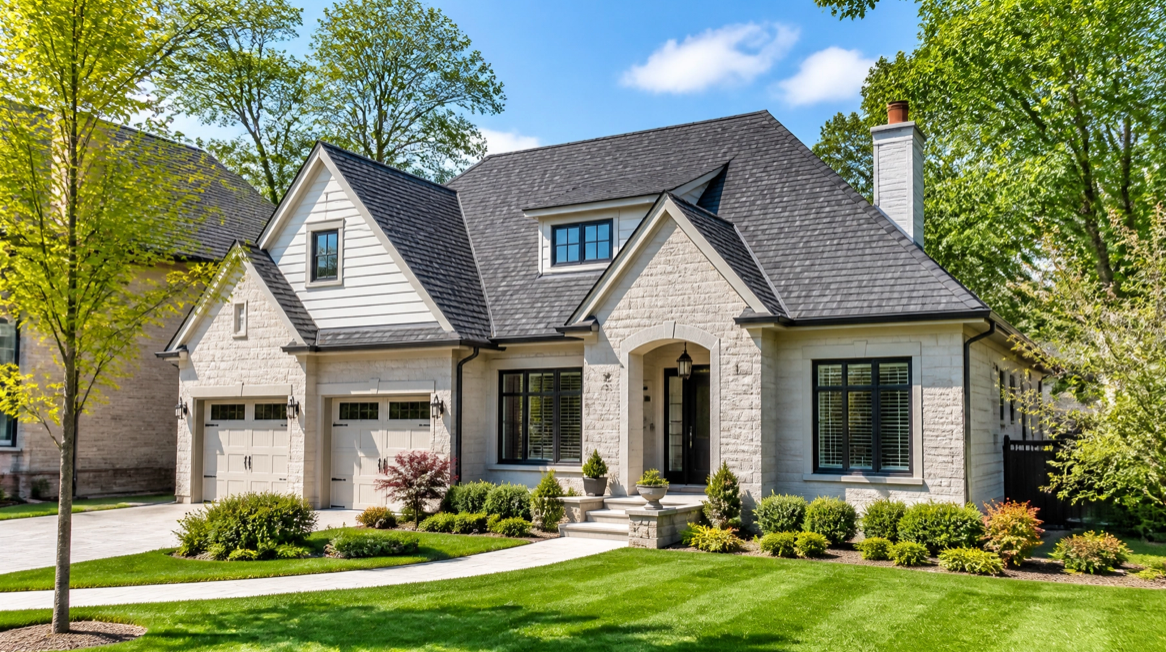
If you’ve lived in the Greater Louisville area for more than a decade, you probably remember a time when getting a new roof through insurance was more straightforward. A big hailstorm would roll through, an adjuster would inspect the roof, and a few weeks later, you’d often know exactly where you stood.
That landscape has changed.
Across Kentucky, homeowners are finding that roof coverage is becoming more restrictive, and depreciation can start much earlier than many people expect. In some cases, carriers begin depreciating roofs at 7 to 10 years old. At the same time, roof replacement costs have roughly doubled over the last 10 years, which makes coverage details matter even more when a storm hits.
At Integrity Roofing & Construction, we’ve spent over 25 years helping homeowners understand roof damage, repair options, and insurance-related questions. We’re here to help you understand how these policy changes can affect your out-of-pocket costs and what to review before you file a claim or call your agent.
ACV vs. RCV: Why the Details in Your Policy Matter
One of the biggest changes affecting Louisville-area homeowners is the shift from Replacement Cost Value (RCV) to Actual Cash Value (ACV) on roofs.
- RCV (Replacement Cost Value): This generally pays the cost to replace your roof at today’s prices, minus your deductible, assuming the loss is covered and policy terms are met.
- ACV (Actual Cash Value): This pays the depreciated value of the roof. In simple terms, the older the roof, the less value the policy may assign to it.
Many carriers now apply depreciation schedules to roofs much earlier than homeowners expect. In some cases, depreciation starts after 7 or 10 years. Even if your policy provides RCV on the home overall, there may be a separate roof payment schedule or roof-specific endorsement that changes how a roof claim is paid.
If you have an older roof that needs a $15,000 replacement, an ACV settlement may leave a much larger share of the bill in your hands after depreciation and your deductible are applied. That’s why it’s so important to review the roof-specific language in your policy before storm season forces a quick decision.
Why Are Carriers Pulling Back?
You might wonder why insurers are becoming more selective with roof coverage. Several factors are driving this shift:
- Extreme Weather: Kentucky has seen repeated wind and hail events in recent years, and severe weather losses have put pressure on insurers across many markets.
- Inflation: Material and labor costs have climbed sharply. A roof replacement that once cost far less can now create a much larger claim.
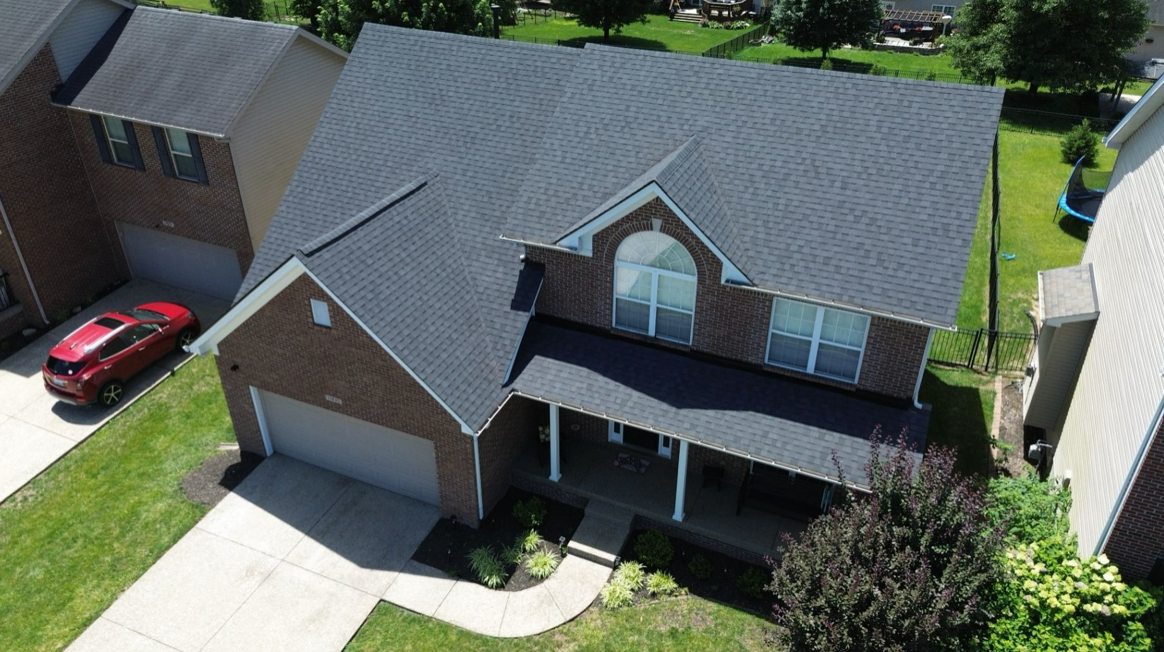
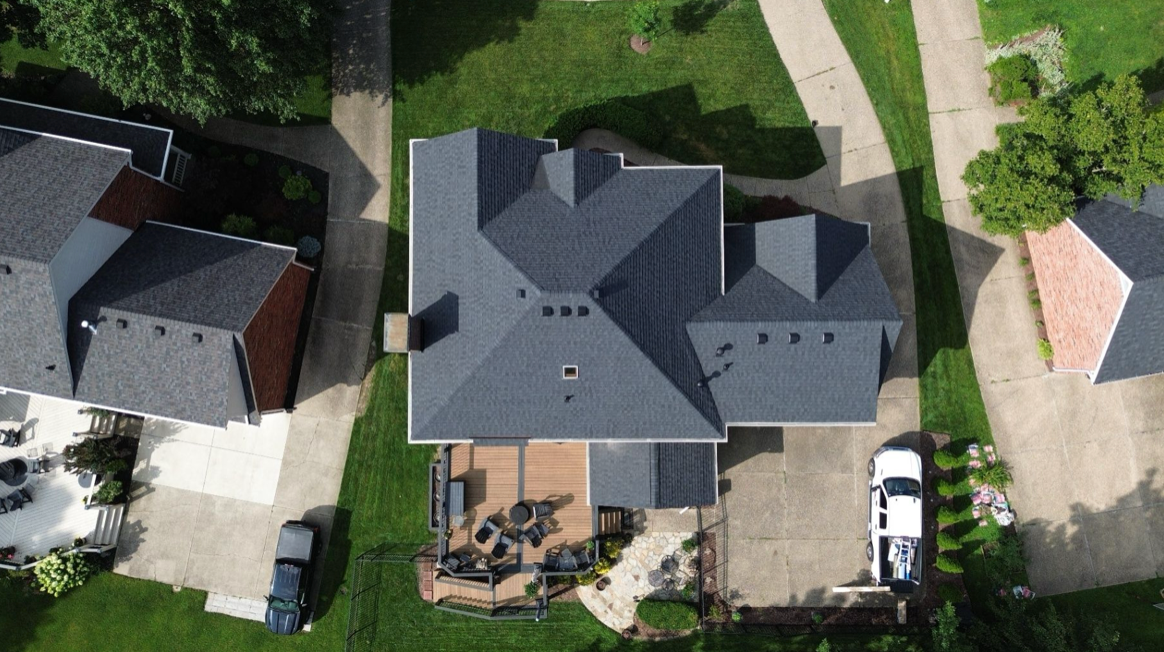
- Technology: Remote property reviews are becoming more common. Aerial imagery, drones, and AI-assisted analysis are being used to evaluate roof condition during underwriting and renewals.
This technology trend is no longer theoretical. Recent articles on NPR, The New York Post and AOL have documented this real-life trend that is already affecting thousands of policyholders around the country.
The main takeaway for you is simple: more roof decisions are being influenced by remote data before a claim ever happens. That makes it even more important to know your roof’s age, condition, and policy terms ahead of time.
The Depreciation Cliff in Kentucky
In the Greater Louisville area, many homeowners are learning that there may not be a single magic age for roof coverage. Depending on the carrier, depreciation schedules can begin at 7, 10, or 15 years. Once your roof reaches those milestones, the chance of a reduced payout can increase significantly.
Insurers also continue to distinguish between Storm Damage and Wear and Tear. Storm damage is generally what policies are designed to cover. Age-related deterioration is usually not. If a storm hits and your roof was already near the end of its service life, the condition of the shingles before the storm can affect how the claim is evaluated.
This is where a qualified inspection matters. You need to know whether your roof shows signs of actual wind or hail damage, normal aging, or a combination of both so you can make informed decisions about repairs, replacement, and whether filing a claim makes sense.
Deductible Math: Flat vs. Percentage
Another important detail is your deductible type. For years, many homeowners carried a flat $1,000 deductible. Today, many Louisville policies are moving toward Percentage-Based Deductibles for wind and hail.
If your home is insured for $400,000 and you have a 2% wind/hail deductible, you are responsible for the first $8,000 of the repair. When that deductible is combined with ACV depreciation, the payout can shrink quickly.
In extreme cases, a homeowner might face 75% depreciation (the maximum we’ve seen) plus a 1-2% deductible. On a $13,500 claim, that can leave a homeowner with just a few hundred dollars — or nothing at all. We’ve seen neighbor recently receive as little as $318 on a $13,500 roof claim.
That’s why deductible math matters just as much as whether a claim is approved. Before you file, you need to understand what the numbers may actually look like on paper.
How 27+ Years of Experience Protects You
Navigating a claim today isn't just about shingles and nails. It’s about documentation, communication, and making sure you understand your options.
We don't just show up and give you a quote. We provide:
- Detailed Evidence: We document what we see so you have clear photos and jobsite information to share with your adjuster or agent.
- Expert Guidance: We help you review the roof’s condition and understand key policy questions before you file, so you can make a more informed decision.
- Advocacy and Partnership: We work to be a steady bridge between you, your insurance carrier, and your agent. Many agents and adjusters are good people doing a difficult job, and clear documentation helps everyone move toward the same goal: restoring your home properly.
Our goal is to help you avoid confusion, prevent incomplete repairs, and make sure your home is restored to a safe, warrantied condition. We believe in doing the job right the first time, backed by an industry-leading warranty that gives you peace of mind for the long term.
Your Action Plan: What to Do Right Now
Don’t wait for a leak in your living room to find out what your insurance covers. Take these four steps today:
- Check Your Declarations Page: Look for the terms "Actual Cash Value," "Roof Payment Schedule," or any roof-specific endorsement that changes how losses are paid.
- Verify Your Deductible: Is it a flat dollar amount or a percentage of your home's value? Knowing this number helps you plan for your real out-of-pocket exposure.
- Check for an Ordinance & Law Coverage Endorsement: Without it, bringing a new roof up to current building codes: drip edge, ice & water shield, and ventilation upgrades: can add hundreds or thousands to your out-of-pocket costs.
- Get a Professional Eyes-On Inspection: Before you involve your insurance
company, have a trusted professional look at your roof. Filing a claim without clear storm-related damage may not help, and it’s better to understand the roof’s true condition first.
If you’re concerned about the age of your roof or suspect storm damage from recent Louisville weather, let us give you an honest assessment.
We’ll tell you if you may have a valid claim, or if you just need a few minor repairs to keep things watertight.
Your roof is your home's first line of defense. Make sure it’s a strong one.