The Ultimate Louisville Gutter Guide: From Pitch and Pockets to Roof Cuts and Protection

When you think about home maintenance in Louisville, KY, your roof and foundation probably get most of your attention. But bridging the gap between them is one of the hardest-working systems on your property: your gutter system.
Here in the Greater Louisville area, our weather brings everything from torrential spring thunderstorms and heavy summer downpours to winter ice dams. When your gutters are installed correctly and functioning at peak performance, you hardly notice them. But when something goes wrong: a missed pitch, a leaky corner, or an awkward roof cut: the resulting water damage can threaten your siding, fascia, and foundation.
With over 27 years of local experience at Integrity Roofing & Construction, we’ve seen every gutter issue imaginable. In this comprehensive guide, we'll break down the engineering behind your gutters, common pitfalls to avoid, and how to protect your Louisville home for the long haul.
1. The Fundamentals: How Your Gutter System Protects Your Home
To understand why minor gutter issues turn into major headaches, it helps to look at what gutters are actually designed to do.
A standard residential roof sheds thousands of gallons of water during a heavy rainstorm. Without gutters, that sheet of water cascades directly off your roofline, pounding the soil immediately surrounding your foundation. Over time, this hydraulic pressure erodes soil, pools against your basement walls, and splashes mud and moisture onto your siding.
The Role of Drainage and Fascia
Your gutter system acts as a controlled collection and redirection network:
- Fascia Boards: The vertical boards running along your roof edge provide the secure mounting surface for your gutter hangers.
- Gutters: Channels running along the perimeter that catch rooftop runoff.
- Downspouts & Extensions: Pipes that safely carry water down and away: at least 4 to 6 feet: from your foundation.
When this system works in harmony, your home stays dry, your landscaping remains intact, and your foundation is safeguarded against structural shifts.
2. Common Pitfalls & Mistakes: Pitch, Clogs, and Capacity
Even high-end gutter systems can fail if they suffer from basic installation or maintenance flaws. Here are the three most frequent culprits we encounter across Louisville neighborhoods:
Incorrect Pitch
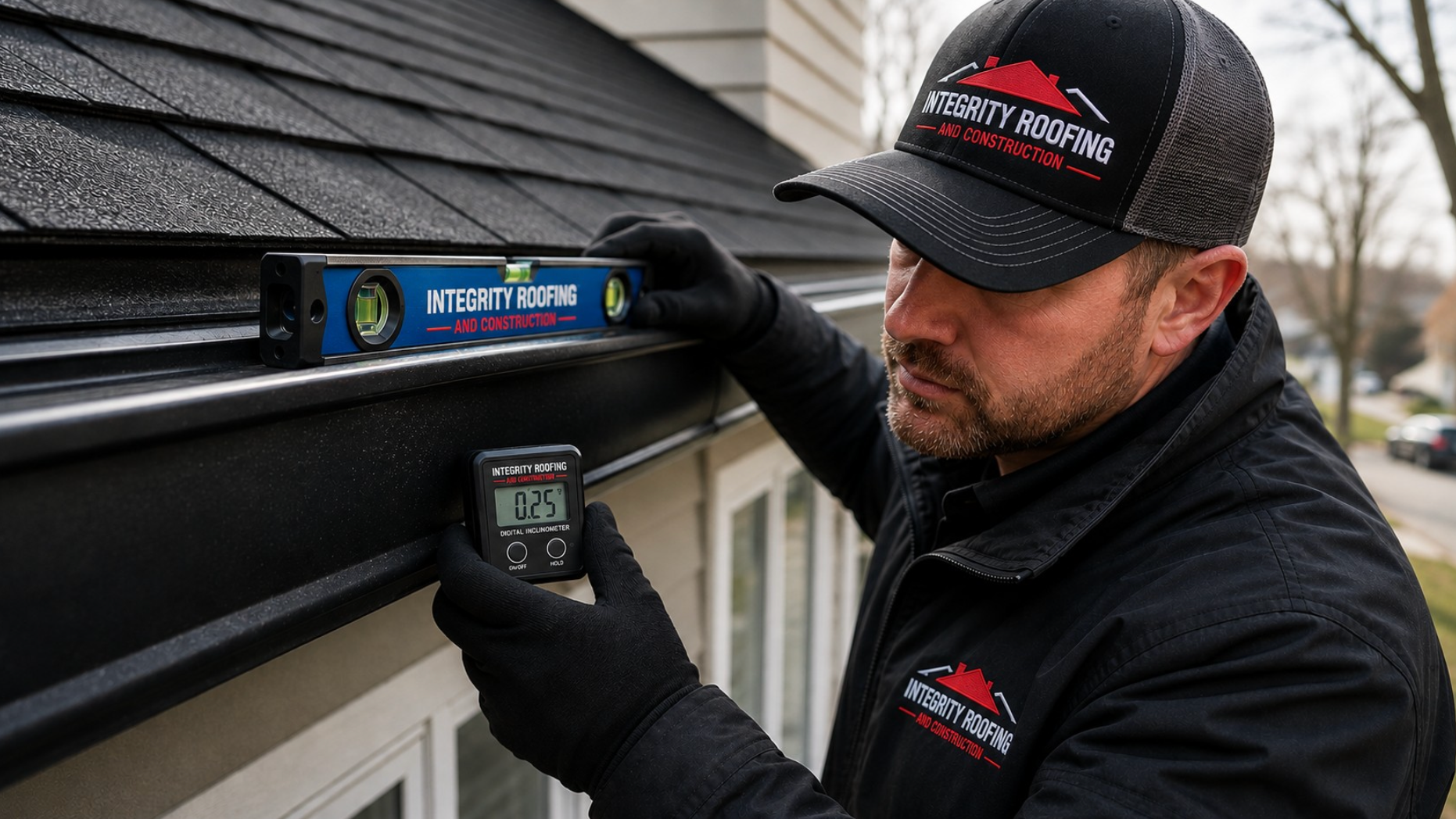
Gutters are never supposed to be completely level. They require a precise slope: typically a drop of about 1/4 inch for every 10 feet of run: leading toward the downspout.
- The Problem: If a gutter is pitched incorrectly, water pools in stagnant pockets instead of flowing to the outlet.
- The Warning Signs: Standing water days after a rainstorm, mosquito breeding in gutters, and water spilling over the front edge even though the trough looks relatively clean.
Clogs from Debris
Louisville boasts gorgeous, mature trees, but those maples, oaks, and sycamores love dropping leaves, seed pods, and twigs right into your roof channels. When debris accumulates, it forms a dam that blocks water flow, forcing overflow behind the gutter and onto your fascia boards.
Undersized Gutters
Many older or builder-grade homes were constructed with standard 5-inch K-style gutters. During severe Kentucky cloudbursts, these smaller troughs can be easily overwhelmed. If water rushes over the top edge of your gutters during heavy storms, you may need to upgrade to 6-inch gutters paired with larger 3x4-inch downspouts to handle high-volume runoff.
3. Specialized Architectural Challenges & Hardware
Every Louisville home is unique. Complex rooflines, custom architectural details, and modern extensions introduce specialized challenges that require precise hardware solutions.
Homes Without Overhangs and Eaves
Some home designs feature zero overhangs or flush eaves. Without roof overhangs to shield exterior walls, any gutter overflow or splashing goes directly onto your siding and windows. In some cases, it can even spill into the exterior walls and end up as interior damage. For these properties, precise gutter sizing, robust flashing, and flawless installation are non-negotiable.
Inside Corner Diverters and Kickout Diverters
- Inside Corner Splash: When two roof pitches meet at an inside corner, rushing water shoots downward with high velocity, often overshooting the gutter entirely. Inside corner diverters catch this high-speed water and redirect it safely into the channel.
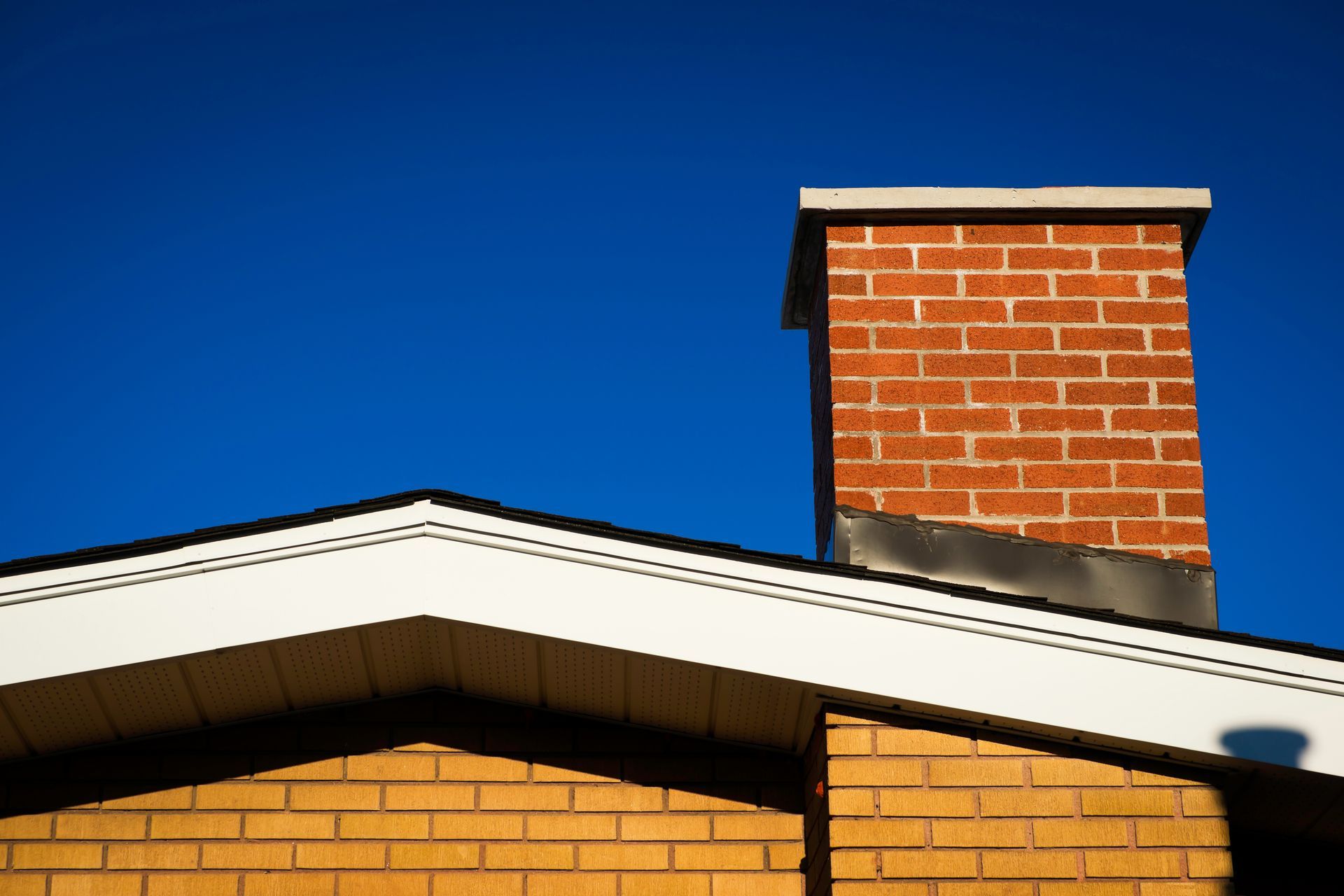
- Kickout Diverters: Where your roofline meets a vertical wall (such as brick siding or a chimney), a kickout flashing (or diverter) is vital. Without it, water runs down the wall and behind your siding, causing hidden rot. A kickout forces that water outward into the gutter.
The Roof Cut Challenge
One of the trickiest situations in residential roofing is the roof cut (sometimes called a dead valley or sidewall termination), where a gutter run terminates directly into the sloping surface of a lower roof.
- To allow water to escape, the bottom of the gutter is often cut out or notched.
- The Problem: This funnels massive volumes of water directly onto a single spot on the roof shingles below.
- The Solution: Managing roof cuts requires specialized splash guards, reinforced flashing, and meticulous sealing to prevent premature shingle degradation and leaks at the point of impact.
4. Leak & Structural Damage: What Happens When Things Fail
Ignoring minor gutter problems rarely saves money: it simply shifts the expense to more costly structural repairs. Here is what happens when neglected gutters begin to fail:
- Leaking Corners: Mitered inside and outside corners are common failure points. As sealants age or temperature fluctuations cause expansion and contraction, corners begin to drip. This water runs directly down the corner posts and siding, rotting wood and staining brick.
- Sagging and Detachment: Water weighs roughly 8 pounds per gallon. When a gutter clogs, it fills with heavy water and debris. Without strong hidden hangers spaced every 24 inches, the gutter pulls away from the fascia, sagging and losing its pitch entirely.
- Fascia and Soffit Rot: Trapped water or overflowing troughs constantly dampen your wooden fascia and soffit boards, leading to soft, rotting wood that invites carpenter ants, termites, and mold.
- Foundation Erosion and Basement Seepage: Water dumping directly next to your foundation saturates the clay-heavy soil common in our region. As the soil expands and contracts, it exerts hydrostatic pressure against your foundation walls, causing cracks, damp basements, and costly structural settling.
5. The Ultimate Protection: Raindrop Gutter Guards
Cleaning your gutters twice a year is a dirty, dangerous chore. But slapping cheap, flimsy plastic screens over your gutters won't solve the problem either: they often cave in under heavy snow or let smaller debris right through.
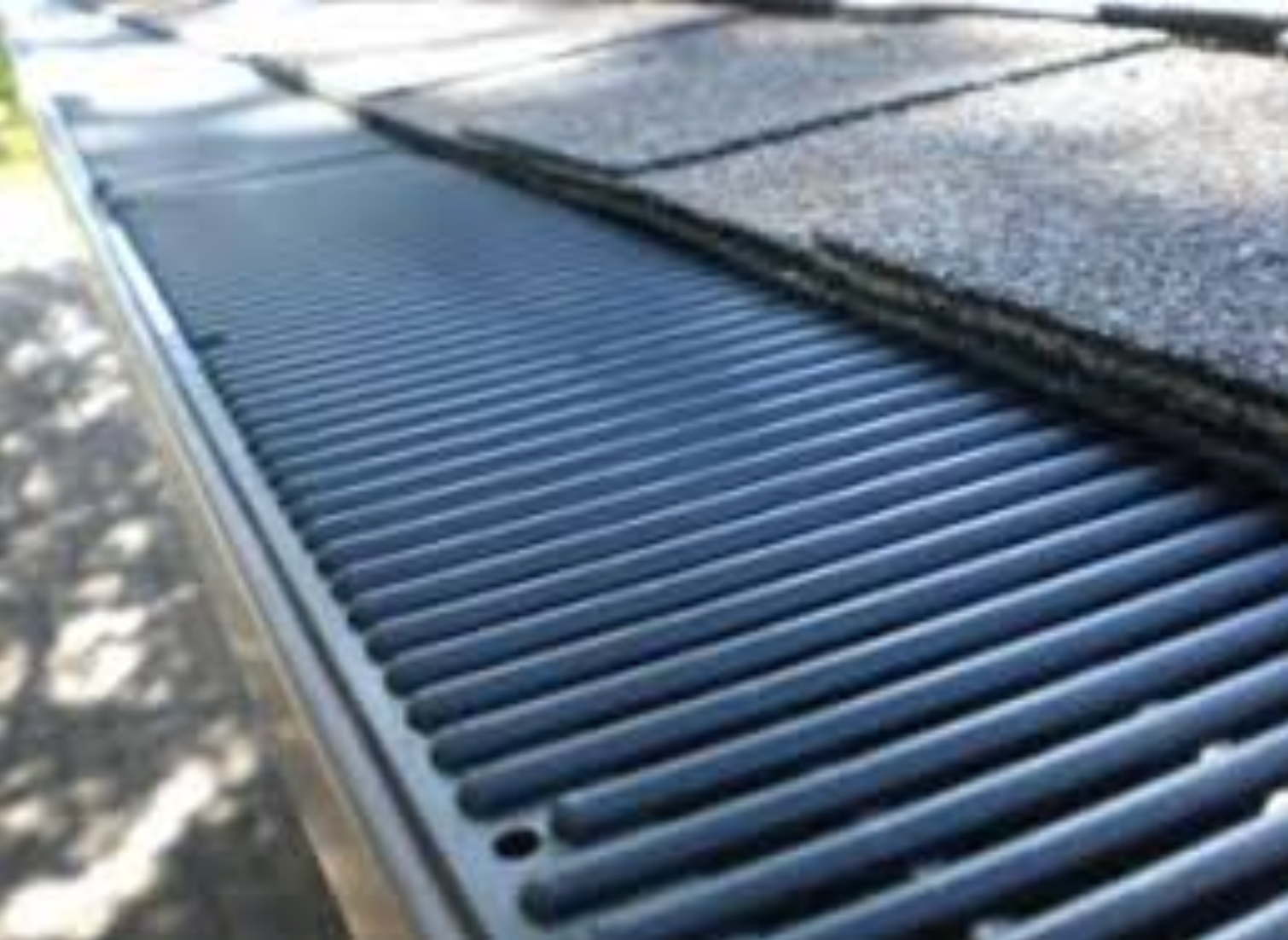
That is why we recommend engineered solutions like Raindrop Gutter Guards as part of a complete, low-maintenance home exterior system.
- Rigid Strength: Made from commercial-grade, UV-stabilized polypropylene, Raindrop guards handle extreme heat, freezing winter ice, and heavy debris loads without warping.
- Surface-Tension Engineering: The patented design uses the natural flow of water to pull it efficiently into the gutter while leaves, twigs, and debris are swept away by the wind.
- Peace of Mind: Combined with our professional installation, high-performance gutter guards eliminate the danger of climbing ladders and ensure your drainage system operates seamlessly 365 days a year.
Trust Your Louisville Gutter Experts
Whether you are dealing with sagging gutters, overflowing corners, complex roof cuts, or you want to upgrade to a complete seamless system with heavy-duty protection, you don't have to navigate it alone.
With over 27 years of dedicated experience across Louisville and surrounding communities, Integrity Roofing & Construction brings unmatched craftsmanship and industry-leading warranties to every project. Explore our professional services on our Gutter Installation and Repairs in Louisville page.
Ready to protect your home from top to bottom? Request a free roof inspection today and let our experienced team evaluate your entire exterior drainage system.